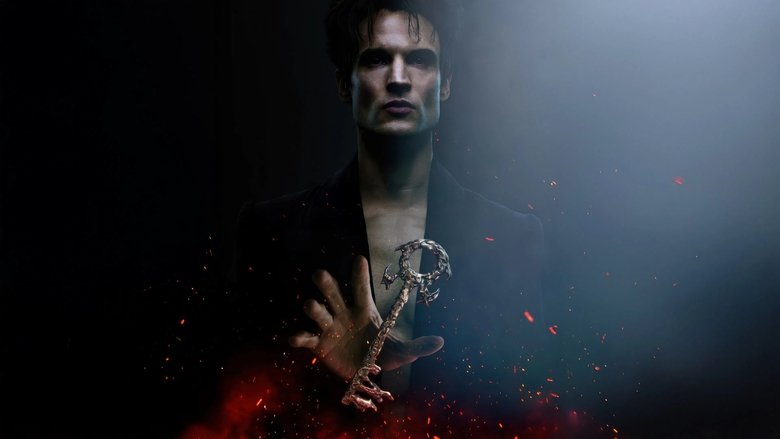
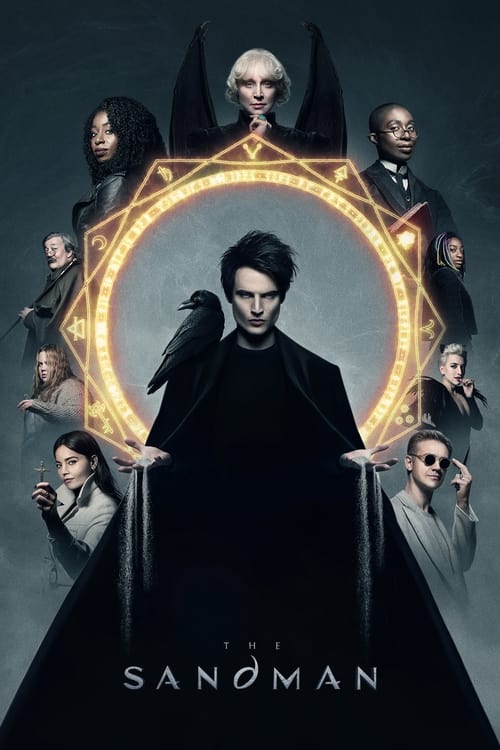
The Sandman
“Dream the world anew.”
AI Woke Score
Heavy-handed messaging over story.
confidence: high
Audience Score
Be the first to vote.
Where to watch
The Verdict
The Sandman is a fairly faithful adaptation of Neil Gaiman's comics, which always featured queer characters and a diverse cosmology, so much of its inclusiveness is baked into the source. That said, the series leans into identity swaps (a female Lucifer, gender-swapped Constantine, race-swapped Death and Lucienne) and foregrounds its LGBTQ+ characters, making those the most prominent identity elements. It's not preachy or anti-male — the messaging is largely organic to the story rather than lecturing.
What the AI Flagged
Category explanations and examples behind the assessment. Internal category scores and the exact calculation are private; external sources appear below when available.
Identity Swaps
Several established comic characters are race- or gender-swapped for the adaptation, a noted talking point.
- Death portrayed by a Black actress
- Lucifer reimagined as a woman (Gwendoline Christie)
- The Corinthian and other characters cast across races
- Rose Walker and Lucienne (originally Lucien) gender/race adjusted
Girlboss & Male Demotion
Strong female and antagonist characters exist but the male lead Morpheus remains central and competent; no anti-male messaging.
- Lucifer as a powerful female adversary
- Death as a capable, wise figure
- Johanna Constantine reworked as a competent woman
LGBTQ+ / Trans / Non-Binary Content
Multiple prominent LGBTQ+ characters and relationships are woven throughout, consistent with the source but foregrounded.
- Hal, an openly gay drag performer
- The gay couple in '24/7' diner storyline
- Judy and her relationships
- Various queer supporting characters
DEI Casting
Diverse casting is prominent across the ensemble; in a fantasy/mythic setting it's largely plausible but several choices were clearly deliberate inclusivity decisions.
- Death cast as Black
- Lucienne race-swapped
- Rose Walker and family diverse casting
Preachiness
Themes of acceptance and identity are present but generally folded into the story rather than delivered as sermons.
- Themes of hope and humanity in '24/7'
- Identity and belonging arcs for Rose and Gault
Anti-Masculinity / Anti-West
No sustained framing of masculinity or the West as villainous; Morpheus's flaws are personal rather than ideological.
- Morpheus criticized for pride, not for being male
Source Betrayal
Largely faithful to Gaiman's comics but with identity-driven recasting of established characters that some fans flagged.
- Gender-swapped Lucifer and Constantine
- Race-swapped Death and Lucienne
- Gault changed from male to female-presenting shapeshifter
Trailer & Photos
Audience Reviews
Discussion
Cast & Crew
Jamie Childs (Executive Producer) · Neil Gaiman (Executive Producer) · David S. Goyer (Executive Producer) · Allan Heinberg (Executive Producer)
Because you looked up The Sandman
Similar titles

Same vibes, lower Woke Score