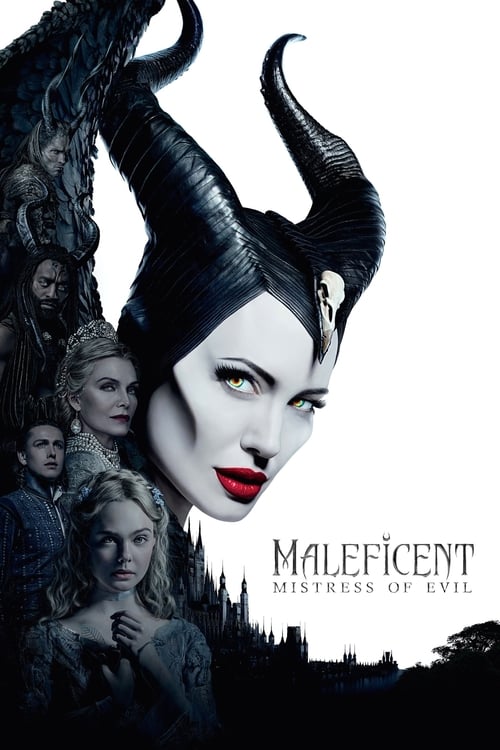
Maleficent: Mistress of Evil
AI Woke Score
Faint messaging, mostly cosmetic.
confidence: high
Audience Score
Be the first to vote.
Where to watch
The Verdict
Maleficent: Mistress of Evil is a fantasy sequel whose main 'message' is a familiar allegory about prejudice and tolerance between humans and fey, which stays mostly woven into the story. Its female-driven cast and queen villain reflect the franchise's design rather than identity messaging, and there are no swaps, LGBTQ+ content, or preachy sermons of note. Overall a light footprint on the identity-messaging axes.
What the AI Flagged
Category explanations and examples behind the assessment. Internal category scores and the exact calculation are private; external sources appear below when available.
Identity Swaps
No established characters are race- or gender-swapped; the dark fairy reimagining is original to the 2014 film's continuity.
Girlboss & Male Demotion
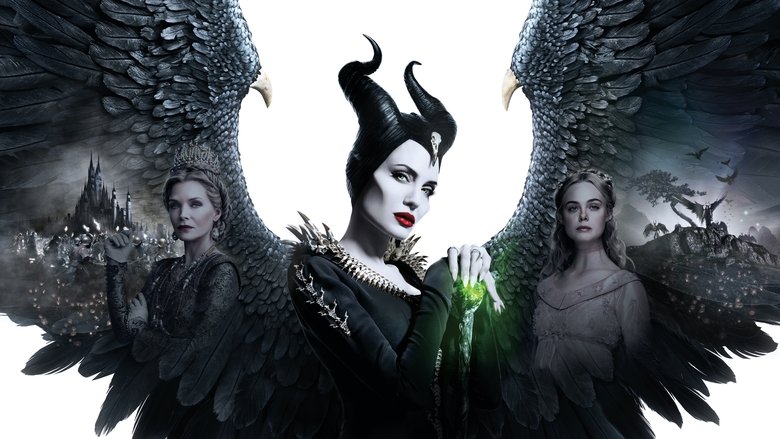
Female characters (Maleficent, Aurora, Queen Ingrith) drive the plot and the chief villain is a power-hungry queen, but this reflects character roles rather than a 'men are the problem' message.
- Queen Ingrith orchestrates a genocidal plot against the fey
- King John is sidelined/incapacitated by the queen
LGBTQ+ / Trans / Non-Binary Content
No LGBTQ+, trans, or non-binary characters or themes present.
DEI Casting
The Dark Fey introduce a visibly diverse population of magical beings, plausible for a fantasy world but a noticeable expansion of the cast.
- The diverse hidden colony of Dark Fey introduced in the second act
Preachiness
The film carries an allegory about prejudice, persecution, and tolerance between humans and fey, occasionally foregrounded but folded into the fantasy plot.
- Ingrith's plan to exterminate the fey framed as bigotry
- Theme of fear-driven hatred between two peoples
Anti-Masculinity / Anti-West
The central villain being a queen and a king being marginalized are plot choices, not a sustained anti-masculine or anti-Western message.
Source Betrayal
Continues the revisionist take on the fairy-tale villain established in the prior film; deviations are creative, not identity-driven.
- Maleficent recast as a misunderstood protector rather than pure evil
Audience Reviews
Discussion
Cast & Crew
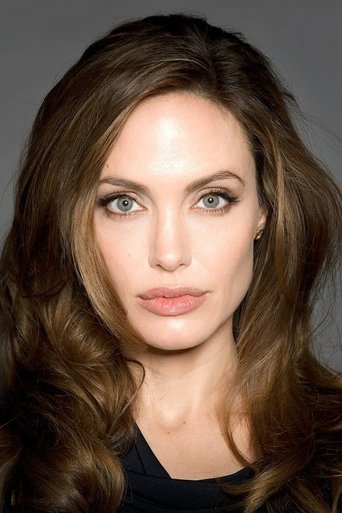
Angelina Jolie
Maleficent
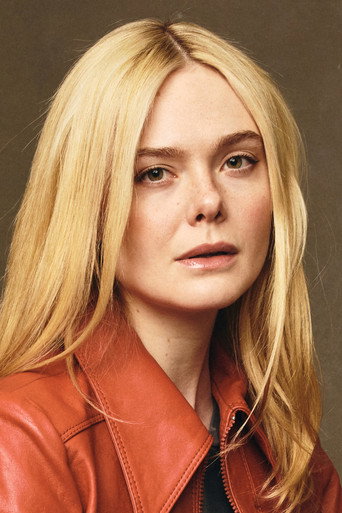
Elle Fanning
Princess Aurora

Harris Dickinson
Prince Phillip
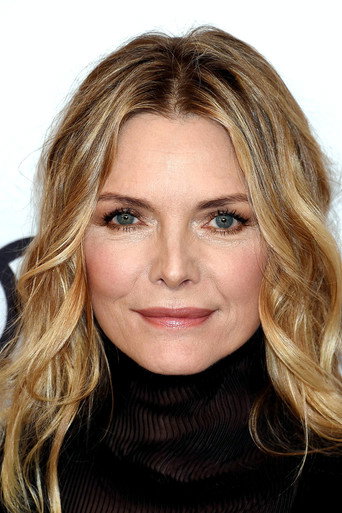
Michelle Pfeiffer
Queen Ingrith

Sam Riley
Diaval
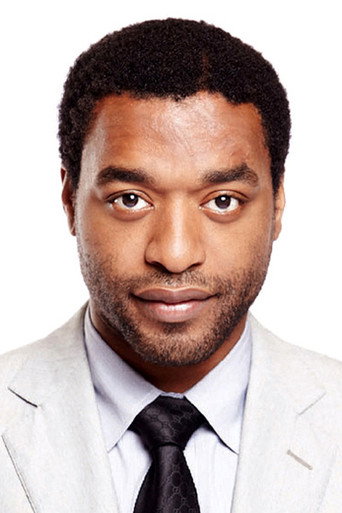
Chiwetel Ejiofor
Conall

Ed Skrein
Borra
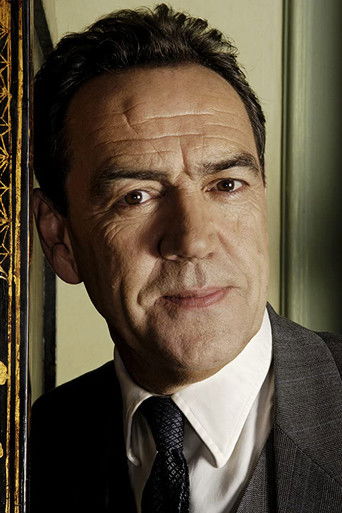
Robert Lindsay
King John
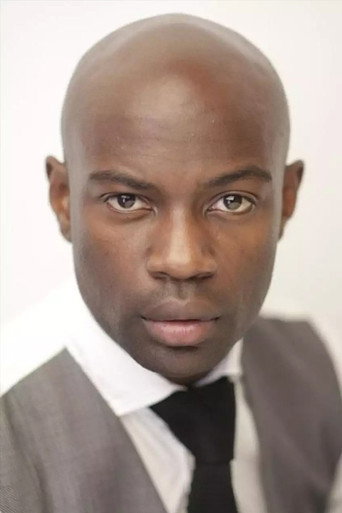
David Gyasi
Percival

Jenn Murray
Gerda
Joachim Rønning (Director) · Jeff Kirschenbaum (Executive Producer) · Matt Smith (Executive Producer) · Michael Vieira (Executive Producer)
The whole series, metered
More Maleficent
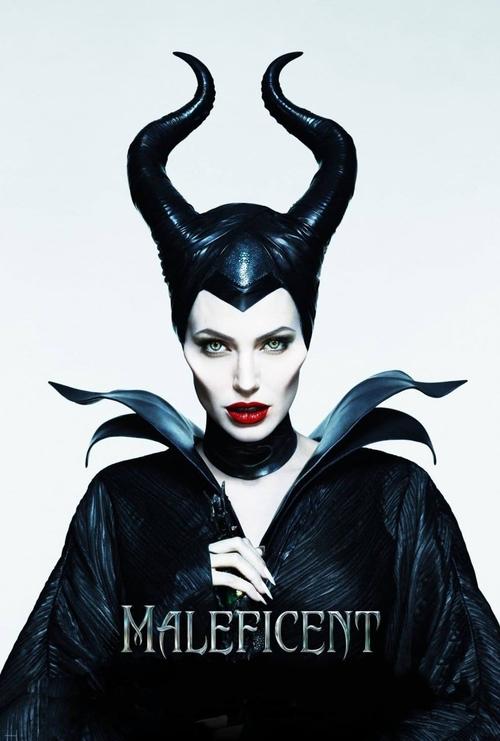

Because you looked up Maleficent: Mistress of Evil