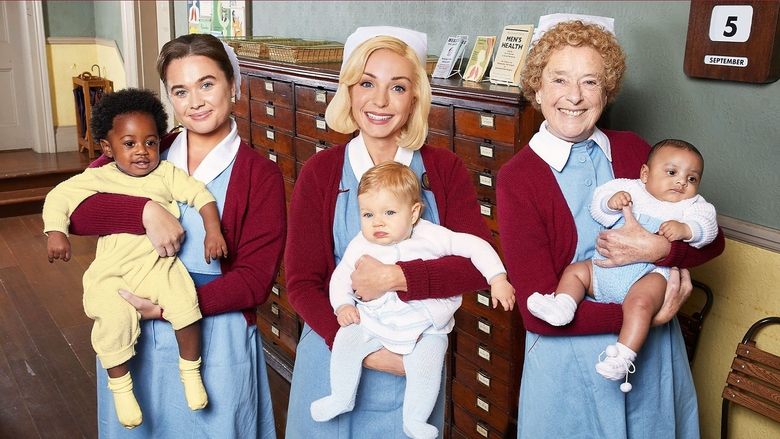
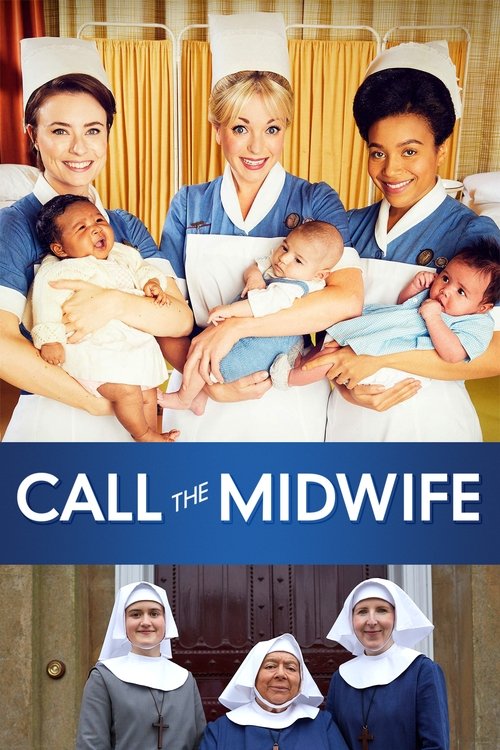
Call the Midwife
AI Woke Score
Heavy-handed messaging over story.
confidence: medium
Audience Score
Be the first to vote.
Where to watch
The Verdict
Call the Midwife is a gentle period drama that is genuinely engaged with social issues of the 1950s-60s, including recurring LGBTQ+ storylines and topical themes treated within the historical setting. Its female-led ensemble is competent without demonizing men, and its diversity broadly reflects the era's East End and Windrush migration. The main flags are recurring LGBTQ+ content and a tendency toward gentle moral sermonizing via narration, but neither dominates the storytelling.
What the AI Flagged
Each axis scored 0–100, with the receipts. The headline score weights the worst offense, so a single egregious element isn't diluted by the rest.
Identity Swaps
10Original ensemble drama based on memoirs; no established iconic characters race- or gender-swapped.
Girlboss & Male Demotion
15A female-led ensemble of competent midwives, but men (doctors, husbands, clergy) are portrayed sympathetically rather than mocked or vilified.
- Dr. Turner is depicted as a caring, dedicated GP
- Male partners and fathers shown with empathy across storylines
LGBTQ+ / Trans / Non-Binary Content
55The series includes recurring LGBTQ+ storylines, notably the gay relationship between characters, treated with period-aware sensitivity.
- The relationship of nurse Patsy Mount and Delia Busby is a recurring storyline
- Episodes addressing the criminalization and treatment of homosexuality in the 1950s-60s
DEI Casting
30Casting broadly reflects the period East End and immigrant communities; some characters reflect Commonwealth migration of the era, which fits the historical setting.
- Nurse Lucille Robinson, a Jamaican midwife, reflecting Windrush-era immigration
- Storylines involving immigrant and minority families in the East End
Preachiness
45The show regularly foregrounds social-issue themes (poverty, healthcare, women's rights) and often closes with narrated moral reflections that can edge into sermonizing.
- Voiceover narration drawing moral lessons at episode ends
- Episodes built around issues like abortion, disability, and contraception
Anti-Masculinity / Anti-West
10No framing of masculinity or the West as inherently toxic; men and tradition are treated with nuance.
Source Betrayal
10Loosely expands beyond Jennifer Worth's memoirs into original episodic stories, but no identity-driven rewrite of established characters.
- Series continues well past the events of the original memoirs with new storylines
Audience Reviews
Discussion
Cast & Crew
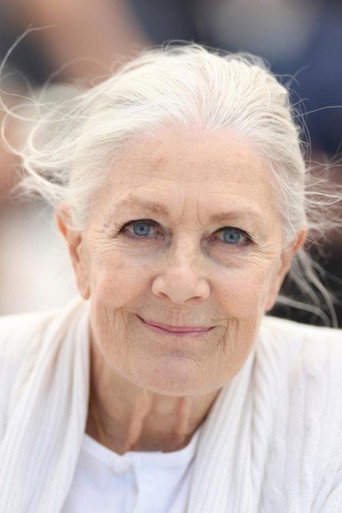
Vanessa Redgrave
Jennifer Worth (voice)
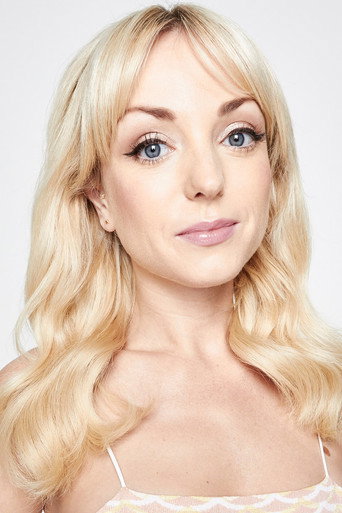
Helen George
Trixie Franklin
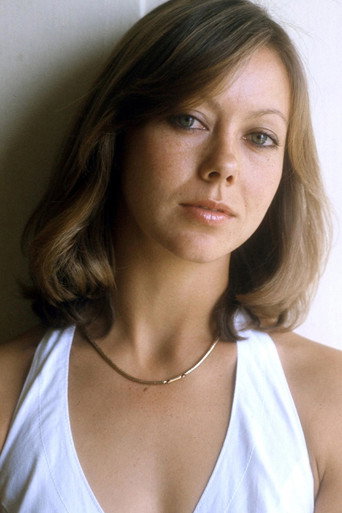
Jenny Agutter
Sister Julienne
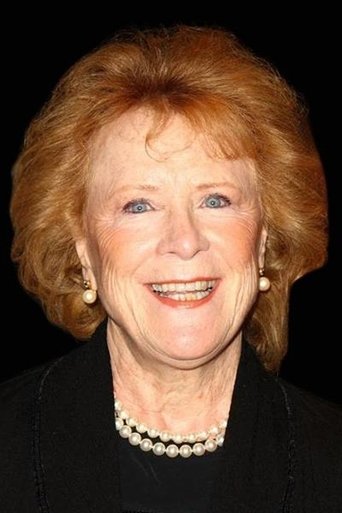
Judy Parfitt
Sister Monica Joan
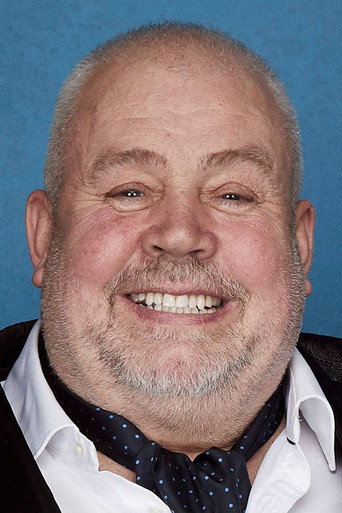
Cliff Parisi
Fred Burkle
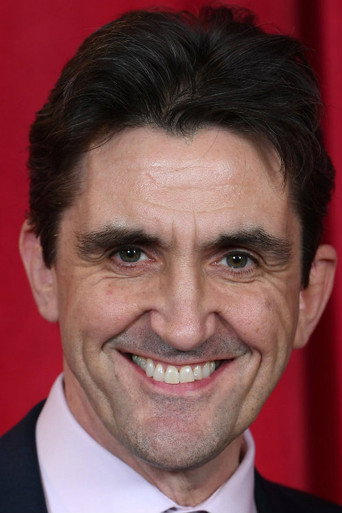
Stephen McGann
Patrick Turner
Lisa Clarke (Director) · Ann Tricklebank (Executive Producer) · Heidi Thomas (Writer) · Pippa Harris (Executive Producer)
Because you looked up Call the Midwife
Similar titles


Same vibes, lower Woke Score