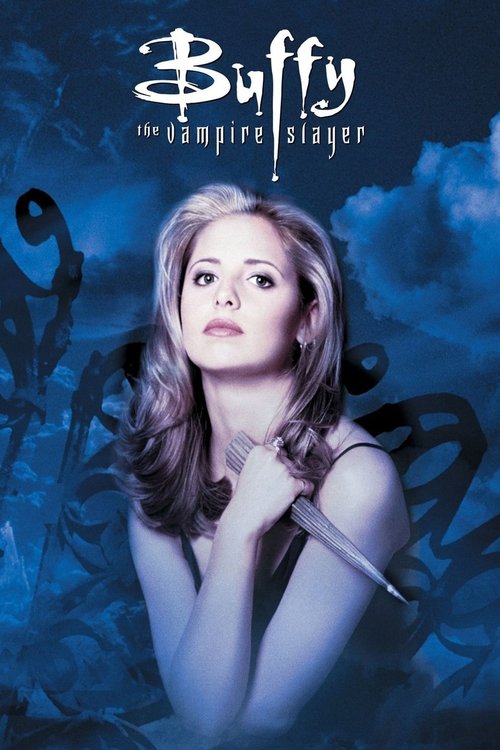
Buffy the Vampire Slayer
AI Woke Score
Heavy-handed messaging over story.
confidence: high
Audience Score
Be the first to vote.
Where to watch
The Verdict
A landmark genre show built around a strong female hero and clever horror-as-metaphor storytelling — empowerment without male-bashing. Its main identity element is Willow and Tara's relationship (spoiler), a prominent and pioneering lesbian storyline that earns the show its highest mark on LGBTQ+ content. Otherwise it's largely free of swaps, quota casting, or preachiness, telling its themes through character rather than sermon.
What the AI Flagged
Each axis scored 0–100, with the receipts. The headline score weights the worst offense, so a single egregious element isn't diluted by the rest.
Identity Swaps
5Original characters from a 1992 film; no established characters were race- or gender-swapped.
Girlboss & Male Demotion
20Buffy is a strong female lead, but the show empowers her without systematically diminishing or mocking men as a message; Giles, Xander, and Angel are well-rounded.
- Buffy subverts the 'damsel' trope as the Chosen One
- Xander often the heart of the group despite no powers
LGBTQ+ / Trans / Non-Binary Content
70Willow's lesbian relationship with Tara became a central, prominent storyline in later seasons and was groundbreaking for its time.
- Willow and Tara's romance (spoiler)
- One of early TV's most prominent lesbian relationships and an on-screen same-sex kiss
DEI Casting
15Largely a 1990s WB-era ensemble; casting reflects its era rather than any quota-driven agenda.
Preachiness
20Uses high-school horror as metaphor for personal struggles but folds themes into story rather than sermonizing.
- Demons-as-adolescence allegory
- Coming-out subtext handled through character, not lecture
Anti-Masculinity / Anti-West
10No framing of masculinity or Western civilization as inherently toxic; male characters are sympathetic.
Source Betrayal
5A creator-driven reboot of his own 1992 film; changes are tonal, not identity-agenda-driven.
Audience Reviews
Discussion
Cast & Crew
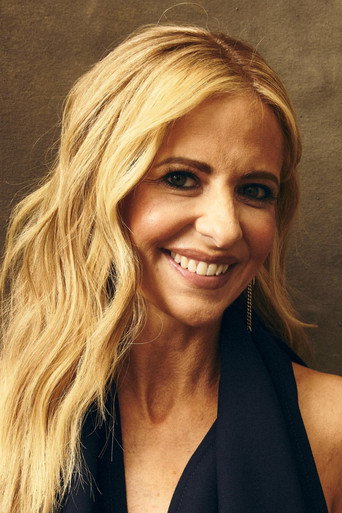
Sarah Michelle Gellar
Buffy Summers
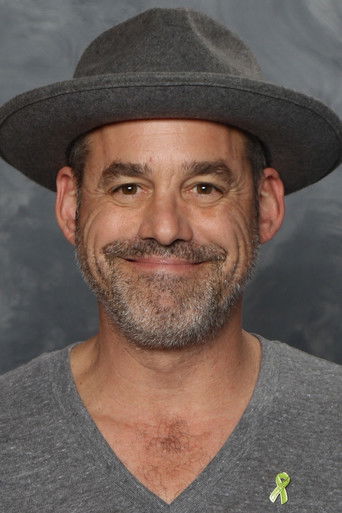
Nicholas Brendon
Xander Harris
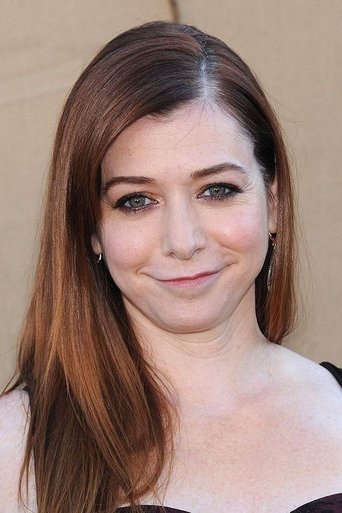
Alyson Hannigan
Willow Rosenberg
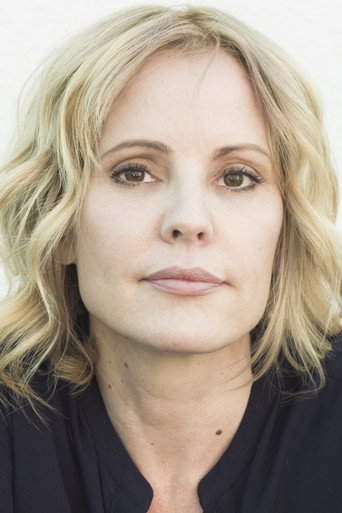
Emma Caulfield
Anya

Michelle Trachtenberg
Dawn Summers
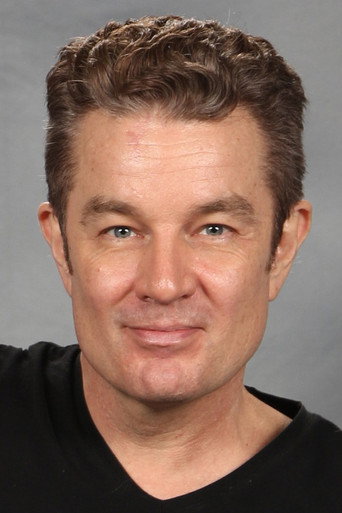
James Marsters
Spike
Fran Rubel Kuzui (Executive Producer) · Marti Noxon (Executive Producer) · Sandy Gallin (Executive Producer) · Dolly Parton (Executive Producer)
Because you looked up Buffy the Vampire Slayer
Similar titles

Same vibes, lower Woke Score