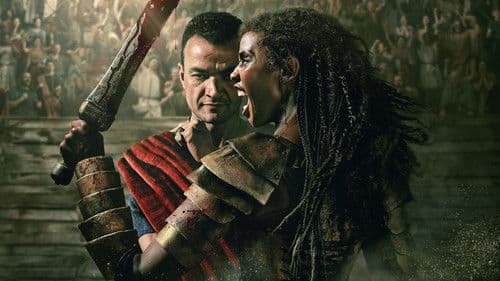
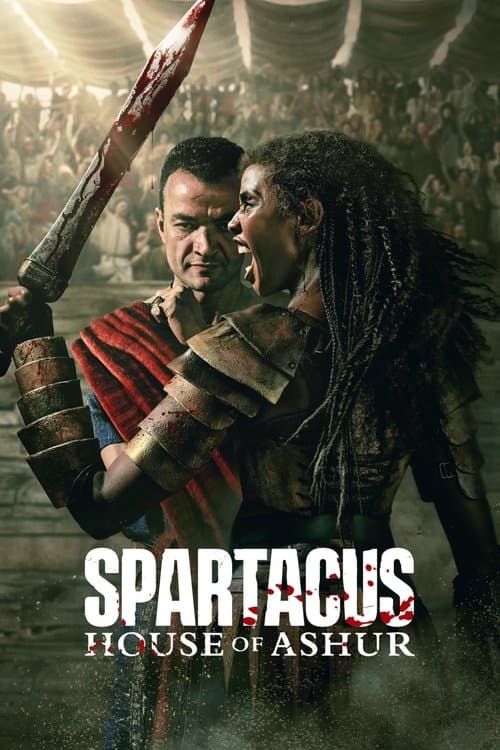
Spartacus: House of Ashur
AI Woke Score
Faint messaging, mostly cosmetic.
confidence: low
Audience Score
Be the first to vote.
The Verdict
Spartacus: House of Ashur is a continuation of a franchise long known for graphic violence, sex, and political intrigue rather than progressive messaging. The series likely carries the franchise's customary inclusion of same-sex relationships and a strong female gladiatrix, but these fit its established world rather than reading as inserted activism. (spoiler) Its biggest liberty is reviving the canonically-dead Ashur, a story conceit rather than an identity-driven rewrite. Overall it appears low on heavy-handed identity messaging.
What the AI Flagged
Each axis scored 0–100, with the receipts. The headline score weights the worst offense, so a single egregious element isn't diluted by the rest.
Identity Swaps
10Continuation of an existing character (Ashur) within the same franchise; no established character is race- or gender-swapped.
Girlboss & Male Demotion
25Features a 'fierce gladiatrix' ally, but a strong female warrior fits the franchise's established mold and there's no evident message that men are the problem.
- Ashur allies with a fierce gladiatrix
LGBTQ+ / Trans / Non-Binary Content
40The Spartacus franchise consistently includes bisexual and same-sex relationships as part of its world; presence is likely but specifics for this title are uncertain.
- Franchise norm of openly bisexual and same-sex relationships among Romans and gladiators
DEI Casting
20The original franchise featured a diverse Mediterranean and slave-world cast that fit the ancient setting; nothing suggests checkbox casting overriding lore.
Preachiness
15The series is built around spectacle, violence, and power struggles rather than overt sermonizing.
- Ashur's rise to power and gladiatorial spectacle as core focus
Anti-Masculinity / Anti-West
15Hyper-violent gladiator setting; no apparent framing of masculinity or the West as inherently toxic.
Source Betrayal
20Major change is the in-universe conceit that Ashur survived his canonical death, an alternate-timeline creative liberty rather than an identity-driven rewrite.
- Premise that Ashur survived the events of the original Spartacus